
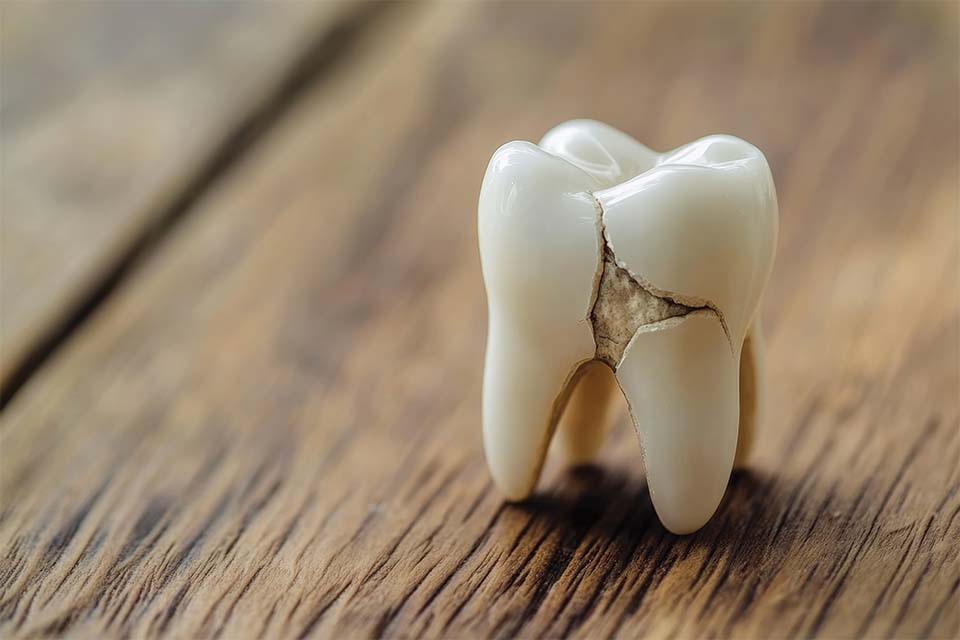
Broken Tooth in Ann Arbor: What to Do, Treatment Options, and Cost
If you break a tooth in Ann Arbor, the situation can escalate quickly from a minor inconvenience to a serious dental emergency. Whether it happens during a meal, a workout, or even a University of Michigan sporting event, the key factor is how fast you respond.
A broken tooth isn’t always just cosmetic. In many cases, it exposes sensitive inner structures, increases the risk of infection, and can worsen within hours if left untreated. Knowing exactly what to do in those first few minutes can make the difference between a simple fix and a much more complex procedure.
Table of Contents
- What Counts as a Broken Tooth?
- Immediate Steps to Take
- What NOT to Do
- When It Becomes a Dental Emergency
- Real Example: Why Acting Fast Matters
- Types of Treatment for a Broken Tooth
- Same-Day Emergency Dental Care in Ann Arbor
- Cost Expectations for Treatment
- Frequently Asked Questions (FAQ)
What Counts as a Broken Tooth?
A broken tooth can take many forms, from minor chips to severe fractures. Chips may be small, but even tiny breaks can lead to bigger problems if not addressed quickly. Cracks are another concern; they can vary in depth, with superficial cracks often requiring less urgent care than deeper ones. If a tooth breaks severely, it might become unusable, which can affect your ability to chew or speak properly. Broken teeth often occur due to accidents, sports injuries, or even biting down on hard objects. If you experience sensitivity to hot or cold, it could indicate a deeper issue related to cracks or breaks. Additionally, decay can weaken teeth, making them more susceptible to breaking. It’s also possible to have a broken tooth without visible damage, so it’s essential to pay attention to any pain you might feel. Even small chips can impact your smile, making cosmetic treatment necessary. Regular dental check-ups can help catch these issues before they evolve into more significant problems, and understanding the signs of a broken tooth can prompt you to seek timely treatment.
Immediate Steps to Take
Stay calm when you realize you have a broken tooth. Panicking can cloud your judgment, so take a deep breath and assess the situation clearly. Begin by rinsing your mouth gently with warm water to cleanse the area and reduce any discomfort. If you notice bleeding, apply gentle pressure with a clean cloth or gauze to help stop it quickly. If you have any fragments of the broken tooth, rinse them off and store them in a container with milk or saline. This can keep them viable for potential reattachment. In case of swelling, a cold compress applied to your cheek can provide relief. Avoid using the broken tooth to chew food, as this can cause further damage. Document the time of the incident, which can be helpful when you reach out to your dentist. If you feel persistent pain, over-the-counter medication can help manage it until you receive professional care. Taking a picture of the broken tooth can also assist your dentist in assessing the damage. Consider having a dental emergency kit ready at home, including gauze and pain relief options, to be prepared for any unexpected dental issues.
- Stay calm to think clearly about your next steps.
- Rinsing with warm water helps clean the area and soothe discomfort.
- Applying pressure to a bleeding area can help stop the bleeding quickly.
- Keeping tooth fragments in milk or saline can keep them viable for reattachment.
- If swelling occurs, applying a cold compress can reduce it.
- Avoid using your broken tooth to chew food to prevent further damage.
- Document the time of the incident to inform your dentist accurately.
- If pain persists, over-the-counter medication can help until you see a dentist.
- Taking a picture of the broken tooth can help your dentist assess the damage.
- Have a dental emergency kit ready, including gauze and pain relief options.
What NOT to Do
If you find yourself dealing with a broken tooth, there are several actions you should avoid to prevent worsening the situation. First, do not use heat on the affected area, as it can actually exacerbate your pain. Stick to soft foods and steer clear of anything hard, crunchy, or sticky that could further aggravate the tooth. It’s critical to seek professional help promptly; delaying treatment can lead to complications. Avoid using your fingers or any objects to poke around the broken tooth, as this could cause additional damage or introduce bacteria. Ignoring signs of infection, such as fever or increased swelling, is also a mistake that could lead to serious health issues. Moreover, refrain from consuming alcohol or tobacco, as these substances can hinder the healing process. Don’t skip your dental appointments; regular care helps prevent emergencies from occurring in the first place. Self-diagnosing can be risky, so always consult a dental professional for an accurate assessment. Even after an injury, maintain your oral hygiene to prevent further complications. Lastly, try not to panic; staying calm allows you to make better decisions during this stressful time.
When It Becomes a Dental Emergency
Knowing when a broken tooth becomes a dental emergency is crucial. If your tooth is completely knocked out, you need to act fast. Time is of the essence in these situations. Severe pain, especially if you notice swelling, is another sign that you should seek immediate dental care. Continuous bleeding that doesn’t stop after applying gentle pressure is critical, as it can indicate a more serious issue.
If you feel a bump or swelling on your jaw or face, it’s important to see a dentist right away. Trauma to the jaw along with a broken tooth is also an emergency that requires urgent attention. Be vigilant for signs of infection, like fever or pus, as these can point to a serious dental problem that needs to be addressed immediately. If your tooth feels loose or is shifting, don’t wait; get it evaluated promptly. Any visible injury to your gums or bone is a clear signal that you need emergency care. Lastly, if you find it difficult to close your mouth comfortably, seeking help right away is essential. Reacting quickly can help save not just your tooth, but your overall health.
Real Example: Why Acting Fast Matters
Recently, a student athlete connected to the University of Michigan experienced a dental emergency over the weekend while away from home. During a game-related incident, her tooth was severely damaged, leaving her and her family scrambling to find immediate care.
Her mother reached out to Dr. Santine Harlock for help, even though they weren’t local to the area at the time. Despite it being a Saturday, Dr. Harlock stepped in and provided emergency treatment to restore the tooth quickly.
Because of that fast response, the athlete was able to return to competition the very next week without the confidence concerns that come with visible dental damage—especially with cameras, media, and public attention involved.
Situations like this highlight something important:
👉 A broken tooth isn’t just cosmetic
👉 It’s time-sensitive
👉 And fast treatment can directly impact your confidence, health, and daily life
Types of Treatment for a Broken Tooth
Depending on how serious the damage is, there are several effective options to treat a broken tooth. For minor chips, bonding can be a quick fix. This involves applying a tooth-colored resin that blends in with your natural teeth, restoring their shape and function. If the damage is more severe, a crown might be necessary. Crowns are designed to strengthen the tooth and give it back its original shape. In cases where a crack reaches the pulp, a root canal can save the tooth by removing the damaged tissue. Sometimes, if a tooth is too damaged to repair, extraction might be the only choice. For aesthetic repairs, particularly on chipped teeth, dental veneers can provide a beautiful solution. They cover the front surface of the tooth, improving its appearance. Additionally, sealants can help protect cracked teeth from further damage, while composite fillings can restore small breaks effectively. If a tooth is lost due to severe damage, dental implants might be required to replace it. It’s always best to discuss all these options with your dentist to determine which treatment is right for your situation.
Same-Day Emergency Dental Care in Ann Arbor
In Ann Arbor, many dental offices offer same-day emergency care, making it easier for you to get the help you need right away. Practices like Shiva G. Rad, D.D.S. are well-equipped to handle urgent dental issues, ensuring that you don’t have to wait long for treatment. This is especially beneficial for students and busy professionals who may not have a lot of time to spare. Local clinics understand that sports-related injuries are common and are ready to assist when accidents happen. With advanced technology, dentists can provide quick and effective treatments, helping to prevent further damage to your tooth. If you find yourself in a dental emergency, student health services may also have referrals for reliable emergency dental care. To find a trustworthy provider, look for reviews online or ask your regular dentist about their availability for urgent cases. Remember, timely emergency care can often save a tooth from extraction or additional damage, so knowing where to go can really ease the stress of the situation.
Cost Expectations for Treatment
When dealing with a broken tooth, understanding the costs involved can be a bit daunting, but it’s essential for making informed decisions. The expenses can fluctuate based on the severity of the break and the type of treatment needed. For instance, an emergency exam or consultation typically costs between $50 and $150. If your dentist needs to take X-rays for a proper diagnosis, that can add another $25 to $250 to your bill.
For minor chips or small breaks, filling repairs generally range from $150 to $500. However, if the damage is more extensive and requires a crown, you could be looking at costs between $500 and $1,500. Root canals, which are necessary if the damage reaches the pulp, can be among the priciest treatments, averaging between $700 and $1,500. In cases where the tooth is beyond saving, extractions can vary widely in cost, from $75 to $600, depending on the complexity of the procedure.
If you have dental insurance, it’s wise to check your plan, as it may cover part of the expenses. Additionally, many dental practices offer payment plans to help ease the financial burden if costs are a concern. Knowing what to expect in terms of potential costs can significantly assist you in navigating this stressful situation.
| Treatment Type | Cost Range |
| Emergency Exam & Consultation | $50 – $150 |
| X-rays | $25 – $250 |
| Filling or Crown Repair | $150 – $500 |
| Root Canal Treatment | $700 – $1,500 |
| Tooth Extraction | $75 – $600 |
Frequently Asked Questions (FAQ)
Q: How fast should I see a dentist after a tooth is broken?
A: As soon as possible. The sooner you receive treatment, the better the chances are for saving the tooth.
Q: Can a chipped tooth heal on its own?
A: No, a chipped tooth typically requires professional assessment and treatment to prevent further damage.
Q: What if I can’t afford emergency dental care?
A: Many clinics in Ann Arbor offer payment plans or can direct you to community resources that provide low-cost dental care.
Q: Is it safe to eat after a tooth is broken?
A: It’s best to avoid chewing on the broken tooth until it has been treated to prevent further injury.
Q: Can a broken tooth lead to infection?
A: Yes, untreated breaks can become infected and lead to more serious dental issues.
Q: Are there any home remedies for a broken tooth?
A: Home remedies can provide temporary relief but should not replace professional dental care.
Q: How long do I have to wait for treatment?
A: Seek treatment as soon as possible for the best outcomes and to avoid complications.
Q: Will I need anesthesia for treatment?
A: Many dental procedures can be performed with local anesthesia to ensure your comfort during treatment.
Q: Can my regular dentist provide emergency care?
A: Most dentists have emergency protocols in place, so it’s a good idea to check with your provider about their services.
Q: What are the long-term effects of a broken tooth?
A: Untreated issues can lead to more severe dental problems over time, including pain, infection, and tooth loss.
TL;DR If you have a broken tooth in Ann Arbor, understanding what to do is essential. A broken tooth can be a chip, a crack, or a severe break. First, stay calm, rinse your mouth gently, control any bleeding, and keep any broken pieces. Avoid common mistakes like using painkillers directly on the tooth or attempting DIY fixes. Consider it a dental emergency if there’s severe pain, bleeding, or swelling. Treatment options vary from bonding for minor chips to root canals for severe damage, with same-day emergency care available at local dental practices. Costs can range from $50 for a consultation up to $1,500 for root canals. Always consult with your dentist for personalized advice.
Enspire Dental
Stay in Touch!
Latest Articles
Emergency Dentist in Ann Arbor: What to Do Right Now
Need an emergency dentist in Ann Arbor? Learn what to do for tooth pain, broken teeth, or urgent dental issues and how to get care quickly.
Tooth Knocked Out in Ann Arbor? What to Do Immediately (Step-by-Step)
If you have a tooth knocked out in Ann Arbor, you need to act immediately. What you do in the first 30 minutes can determine whether your tooth can be saved....
Severe Tooth Pain in Ann Arbor: Causes, Relief, and When to Call a Dentist
If you’re dealing with severe tooth pain in Ann Arbor, understanding what it could mean is really important. Severe pain usually indicates a serious dental issue...
Broken Tooth in Ann Arbor: What to Do, Treatment Options, and Cost
If you break a tooth in Ann Arbor, the situation can escalate quickly from a minor inconvenience to a serious dental emergency. Whether it happens during a meal, a workout...