
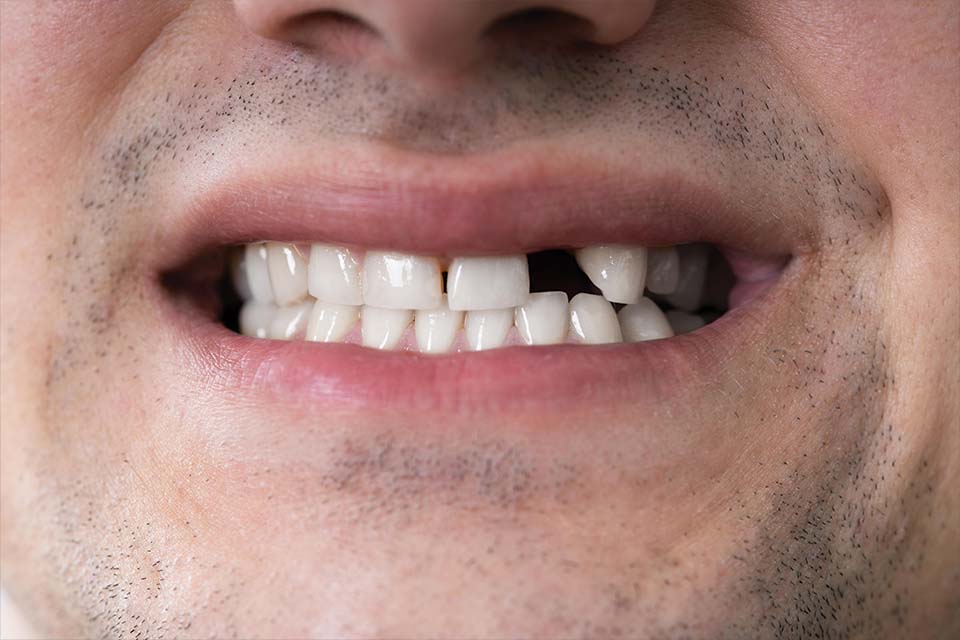
Tooth Knocked Out in Ann Arbor? What to Do Immediately (Step-by-Step)
If you have a tooth knocked out in Ann Arbor, you need to act immediately. What you do in the first 30 minutes can determine whether your tooth can be saved or not. Whether you’re near downtown Ann Arbor, the University of Michigan campus, or surrounding areas, fast action is critical.
It might feel overwhelming, but your quick actions can make a significant difference. Start by gently finding and picking up the tooth by its crown, avoiding the root to protect it. Rinse it lightly with water if it’s dirty. If you’re comfortable, try reinserting it back into the socket, bite down on gauze to hold it in place if you succeed. If not, store the tooth in milk or saliva and reach out to an emergency dentist right away for urgent care within 30 minutes!
Recently, a University of Michigan student athlete had a tooth knocked out during a weekend competition. Because her family was not in the Ann Arbor area, they needed immediate help.
Dr. Santine Harlock responded right away, brought the patient in on a Saturday, and treated the issue immediately. Because of that fast response, the athlete was able to return to competition the following week without the visible impact of a missing tooth.
This is exactly why acting quickly and knowing where to go in Ann Arbor, matters.
Table of Contents
- Immediate Steps to Take
- What NOT to Do
- How Long You Have to Save a Knocked-Out Tooth
- Should You Put the Tooth Back In?
- Best Way to Store the Tooth
- When to Call an Emergency Dentist
- Same-Day Emergency Dental Care in Ann Arbor
- What Treatment Looks Like After Arrival
- Cost Expectations
- What Happens If You Wait Too Long?
- Frequently Asked Questions
1. Immediate Steps to Take
If you’re in Ann Arbor, your goal should be to stabilize the tooth and get to an emergency dentist as quickly as possible.
If you find yourself in the unfortunate situation of having a tooth knocked out, the first thing to remember is to stay calm. This will help you think clearly and act quickly. Carefully retrieve the tooth by holding it by the crown, which is the part that’s usually visible in your mouth. Make sure to avoid touching the root, as this can damage the cells that are essential for reattachment. If the tooth is dirty, rinse it gently with water to remove any debris, but do not scrub it, as scrubbing can cause more harm.
If you feel comfortable doing so, try to reinsert the tooth back into its socket. This can help keep it moist and increase the chances of saving it. Bite down lightly on a piece of gauze or a clean cloth to hold it in place. If you cannot reinsert the tooth, store it in a container with milk or your own saliva to keep it viable. Avoid using water for storage, as it can damage the tooth.
Next, contact an emergency dentist right away. In Ann Arbor, there are several options available, so don’t hesitate to reach out for help. Aim to see the dentist within 30 minutes of the incident, as this is crucial for the best chance of saving your tooth. If there is any bleeding, use a clean cloth or gauze to apply light pressure to the area. It’s also important to keep the area clean and free from food debris until you can get professional help. Avoid any home remedies or medications before your visit, as they may complicate your situation.
- Stay calm to think clearly and act quickly.
- Retrieve the tooth by holding it by the crown to avoid root damage.
- Rinse the tooth gently with water if it’s dirty, but do not scrub it.
- If possible, reinsert the tooth back into its socket to keep it moist.
- If reinsertion isn’t possible, store the tooth in milk or your saliva.
- Contact an emergency dentist immediately after the incident.
- Get to the dentist within 30 minutes for the best chance of saving the tooth.
- Use a clean cloth or gauze to apply light pressure if there is bleeding.
- Avoid using any home remedies or medications before seeing a dentist.
- Keep the area of the missing tooth clean and free from food debris until you can get help.
2. What NOT to Do
If you find yourself in a situation where a tooth has been knocked out, there are several critical mistakes to avoid. First, do not touch the root of the tooth; handling it incorrectly can damage the vital cells that are essential for reattachment. Additionally, avoid scrubbing the tooth with brushes or soap, as this can cause further harm. It’s important not to delay seeking help; every minute counts when it comes to saving the tooth.
If you’re unsure or uncomfortable, do not attempt to reinsert the tooth yourself. Instead, store it properly in a suitable medium. Remember, never keep the tooth in water for long periods, as it can lead to irreversible damage. Also, avoid using alcohol or harsh substances to clean the tooth, as these can further jeopardize its viability.
If there’s bleeding, don’t ignore it; apply gentle pressure with a clean cloth. Above all, do not panic. Staying calm will help you think clearly and take the right steps. Refrain from eating or drinking anything hot or cold until you’ve seen a dentist. Lastly, do not overlook any pain you feel; it’s your body signaling that you need immediate care.
3. How Long You Have to Save a Knocked-Out Tooth
Timing is everything when it comes to saving a knocked-out tooth. Ideally, you should aim to see a dentist within 30 minutes. This gives you the best chance for reattachment. The golden window for reattaching the tooth is about one hour after it has been knocked out. After two hours, the likelihood of saving the tooth drops significantly. Every minute counts, so it’s essential to act quickly. If you can keep the tooth moist during transport, that will help its chances. Use milk or saline if you’re on your way to the dentist. Make sure to keep the tooth in a safe place to avoid losing it. Even if reinserting the tooth isn’t possible, getting to the dentist is still crucial. The sooner you act, the better the outcome.
4. Should You Put the Tooth Back In?
Yes, if you feel comfortable and it’s clean, you should try to reinsert the tooth gently into its socket. Hold the tooth by the crown, which is the part normally visible in your mouth, and avoid touching the root to prevent damaging the cells necessary for reattachment. If you can’t place the tooth back, keep it moist by storing it in a container with milk or your saliva until you can see a dentist. Moisture is key to preserving the tooth’s viability, so don’t let it dry out. If you’re unsure about reinserting it, it’s best to store the tooth safely and seek immediate dental care. When you arrive at the dentist, be sure to let them know if you attempted to reinsert the tooth. Remember, don’t force the tooth back in if it doesn’t fit easily, and keep your mouth clean, avoiding that area until treated.
5. Best Way to Store the Tooth
If you’ve had a tooth knocked out, storing it properly is crucial for saving it. The best option is to place the tooth in whole milk. The pH balance of milk is similar to that of human saliva, which helps keep the tooth cells alive. Make sure the tooth is fully submerged in the milk to maintain its moisture. If milk isn’t available, your saliva can work too; just place the tooth in a clean container with some saliva to keep it moist.
Avoid using plain water to store the tooth, as it can harm the root and reduce the chances of reattachment. If neither milk nor saliva is an option, a saline solution can be used as a backup. It’s important to keep the container clean to prevent any contamination, and ensure that the tooth doesn’t come into contact with any foreign substances. Seal the container tightly to avoid losing the tooth, and remember, do not attempt to clean the tooth with chemicals or soaps, as this can further damage it.
6. When to Call an Emergency Dentist
If you’re in Ann Arbor, call an emergency dentist immediately, do not wait to see if the situation improves. Call an emergency dentist immediately after a tooth is knocked out, do not wait. When you reach out, explain the situation clearly to the dental office staff. Let them know you’ve had a tooth knocked out and ask if they can accommodate urgent cases. Be ready to describe how the incident happened, as this information helps the dentist assess the situation before you arrive.
If you’re unsure how serious your situation is, read our full guide on emergency dental care in Ann Arbor to understand your next steps.
Confirm the location and hours of the nearest emergency dentist, as some offices may offer extended hours or urgent care. If you’re unsure about which office to call, it’s okay to reach out to multiple places to find available help. Have your insurance information ready to speed up the process, and if you’re experiencing severe pain, mention that during the call to ensure they prioritize your visit. Keeping the dentist’s number saved in your phone can be a lifesaver for future emergencies. Remember, time is critical, so do not hesitate to make that call.
7. Same-Day Emergency Dental Care in Ann Arbor
If you find yourself in a dental emergency in Ann Arbor, many dental offices are ready to help with same-day emergency services. Many dental offices in Ann Arbor offer same-day emergency care for knocked-out teeth, especially when time is critical. Before heading out, check their websites to find emergency care information and hours. It’s a good idea to call ahead to ensure they can see you right away, especially if you’re in pain. When you make the appointment, let them know about your discomfort, as this helps them prepare for your visit.
Don’t forget to bring your dental insurance card, as it may cover some of the costs. Also, have a quick way to get to the office, as every minute counts in an emergency. Keeping a list of local emergency dentists handy is smart, so you know where to go in case of an urgent situation. After your emergency visit, consider following up with your regular dentist to keep track of your dental health.
8. What Treatment Looks Like After Arrival
When you arrive at the dentist’s office, the first thing the dental team will do is evaluate your tooth and the surrounding area. This initial assessment is crucial to determine the best course of action. They may take X-rays to check for any additional damage that could affect the treatment plan. If you got there quickly enough, the dentist will likely attempt to reinsert the tooth into its socket. They will also discuss pain management options tailored to your needs, ensuring you are as comfortable as possible during the procedure.
After the initial treatment, follow-up care is important. You may need to schedule additional appointments to monitor the healing process and address any complications. If there is a risk of infection, the dentist might prescribe antibiotics. They will also provide you with specific instructions on how to care for the area afterward, including what to expect in terms of sensitivity or discomfort.
During your visit, be prepared to discuss the best options for your dental health moving forward. Treatment plans can vary significantly based on how long it took you to get to the office, so the sooner you seek help, the better the outcome is likely to be. Lastly, keep in mind that there may be costs associated with the necessary care, so it’s wise to clarify any potential charges before proceeding.
9. Cost Expectations
Emergency dental care costs can vary widely depending on the treatment you need. In Ann Arbor, a basic evaluation might start at around $100. If you require reinsertion of the tooth or more extensive treatments, you could be looking at costs ranging from $300 to $1,500 or even higher, depending on your specific situation. It’s a good idea to check with your insurance provider to understand your coverage specifics, as many plans do cover a portion of emergency dental procedures. If money is tight, don’t hesitate to ask the dental office about payment plans or options. Also, consider that additional costs may arise from follow-up visits or procedures needed after the initial treatment. Remember, your health should always be a priority, even if costs feel concerning. Many emergency dentists may offer discounts for cash payments, so it’s worth inquiring about that as well. Keep in mind that there may be additional fees for after-hours care or urgent visits, so understanding your coverage details can help avoid any surprises when it comes time to pay.
10. What Happens If You Wait Too Long?
If you wait too long after a tooth is knocked out, the chances of saving it drop significantly. In many cases, waiting more than an hour can make reattachment much more difficult or impossible.
For patients in Ann Arbor, this is why immediate action is critical. Delays can lead to more complex treatments like dental implants or bridges instead of saving the natural tooth.
Frequently Asked Questions
What should I do right after my tooth gets knocked out?
First, stay calm. Find the tooth, and if it’s dirty, rinse it gently with water. Do not scrub it or remove any tissue still attached. Try placing it back in the socket if you can, or keep it in a glass of milk to keep it moist.
How long do I have to get to a dentist after losing a tooth?
It’s best to see a dentist within 30 minutes to an hour. The sooner you get help, the higher the chance your tooth can be saved.
Can I use painkillers if I’m in pain from a knocked-out tooth?
Yes, you can take over-the-counter pain relievers like ibuprofen or acetaminophen, but follow the guidelines on the package. Avoid putting anything on the tooth or gum area.
Is there a chance my knocked-out tooth can be saved?
Absolutely! If you handle the tooth properly and get to a dentist quickly, there is a good chance it can be saved.
What if my knocked-out tooth is a baby tooth?
If it’s a baby tooth, don’t try to put it back. They usually fall out naturally, but still, see a dentist to check for any injury to the gums or other teeth.
TL;DR
If you’ve had a tooth knocked out in Ann Arbor, do not wait.
The faster you act, the better your chances of saving your natural tooth. Whether you’re dealing with pain, bleeding, or uncertainty, getting to an emergency dentist immediately can make all the difference.
Call now to get same-day emergency dental care in Ann Arbor.
Enspire Dental
Stay in Touch!
Latest Articles
Emergency Dentist in Ann Arbor: What to Do Right Now
Need an emergency dentist in Ann Arbor? Learn what to do for tooth pain, broken teeth, or urgent dental issues and how to get care quickly.
Tooth Knocked Out in Ann Arbor? What to Do Immediately (Step-by-Step)
If you have a tooth knocked out in Ann Arbor, you need to act immediately. What you do in the first 30 minutes can determine whether your tooth can be saved....
Severe Tooth Pain in Ann Arbor: Causes, Relief, and When to Call a Dentist
If you’re dealing with severe tooth pain in Ann Arbor, understanding what it could mean is really important. Severe pain usually indicates a serious dental issue...
Broken Tooth in Ann Arbor: What to Do, Treatment Options, and Cost
If you break a tooth in Ann Arbor, the situation can escalate quickly from a minor inconvenience to a serious dental emergency. Whether it happens during a meal, a workout...