
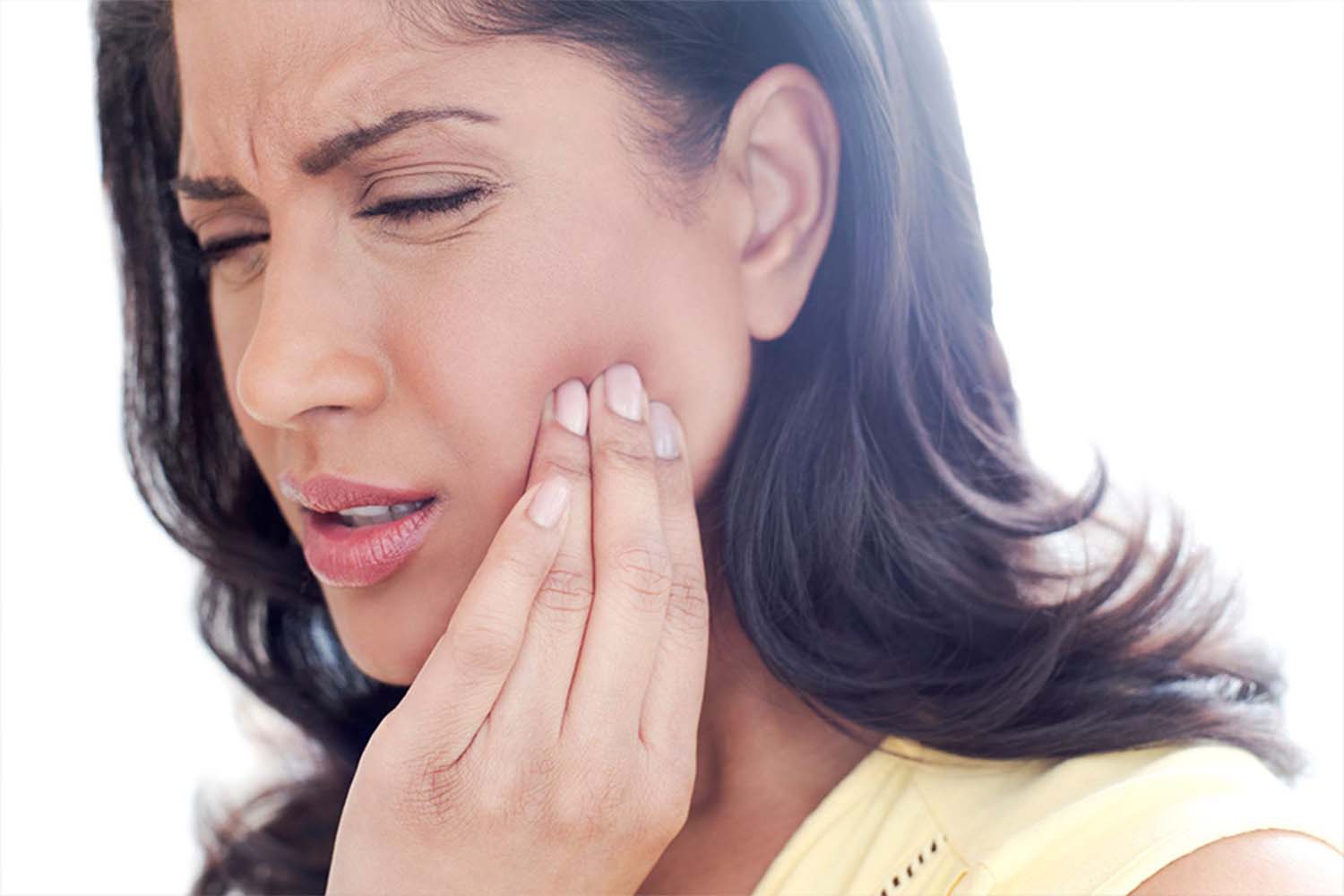
TMJ Symptoms: Signs of Jaw Pain, Teeth Grinding, and When to Seek Treatment
TMJ symptoms often start subtly, which makes them easy to ignore. What begins as mild jaw tension or occasional discomfort can gradually develop into persistent pain, frequent headaches, and difficulty chewing.
Many people in Ann Arbor experience early signs without realizing they are connected. Teeth grinding, jaw clenching, and muscle tension are common triggers that, over time, can lead to more serious issues affecting daily life.
Recognizing these symptoms early is the first step toward preventing the need for significant restorative care, or long-term damage.
Understanding TMJ Symptoms and Their Impact
TMJ symptoms don’t just affect the jaw. They can extend into the head, neck, teeth, and surrounding muscles.
Because the temporomandibular joint plays a role in speaking, chewing, and everyday movement, even minor dysfunction can create noticeable discomfort. As symptoms progress, they can begin to interfere with sleep, eating habits, and overall quality of life.
What TMJ Symptoms Feel Like
TMJ symptoms vary from person to person, but they typically follow a similar pattern of progression.
Common symptoms include:
- Jaw pain or tightness
- Clicking or popping sounds when opening or closing the mouth
- Headaches or migraines
- Teeth grinding (bruxism)
- Worn or sensitive teeth
- Pain while chewing
- Ear pain or a feeling of fullness
- Neck and shoulder tension
- Limited jaw movement
Many patients experience several of these symptoms at once, often without realizing they are connected.
Early vs. Advanced TMJ Symptoms
In the early stages, TMJ symptoms may feel manageable:
- Occasional jaw tension
- Mild discomfort when chewing
- Intermittent clicking
As the condition progresses, symptoms often become more consistent and more disruptive:
- Chronic jaw pain
- Frequent headaches
- Visible tooth wear from grinding
- Difficulty opening or closing the mouth
This progression is important. TMJ issues rarely stay mild if the underlying cause is not addressed.
What Causes TMJ Symptoms
Several factors can contribute to TMJ symptoms, often working together.
The most common include:
- Teeth grinding and clenching
- Stress-related muscle tension
- Bite misalignment
- Jaw injury or trauma
Over time, these factors place repeated stress on the jaw joint and surrounding muscles, leading to inflammation, discomfort, and reduced function.
When TMJ Symptoms Should Not Be Ignored
Some symptoms signal that the condition is progressing and should be evaluated:
- Persistent jaw pain lasting several days
- Daily headaches or facial tension
- Pain while eating or speaking
- Increased tooth sensitivity or visible wear
- Difficulty opening the mouth fully
When symptoms begin to interfere with daily life, they are no longer minor and should not be ignored.
When to Seek TMJ Treatment
If symptoms continue or worsen, it’s important to seek professional evaluation.
Early TMJ treatment in Ann Arbor can prevent further damage and reduce the likelihood of more complex issues later. Many patients benefit from a personalized approach that may include protective devices, muscle tension relief, or other targeted solutions depending on the cause.
Choosing a dentist that offers general and cosmetic care is ideal when solving for worsening TMJ issues. Enspire Dental, in Ann Arbor, is a perfect example. While treating a patient for severe teeth grinding (bruxism) with a bite splint and botox, they were also able to restore eight worn down teeth with crowns that rebuilt function and protected the bite.
Final Thoughts on TMJ Symptoms
TMJ symptoms often develop gradually, but they rarely resolve on their own. What starts as mild tension can lead to chronic discomfort and long-term dental issues if left untreated.
Many patients from Ann Arbor and surrounding areas such as Saline, Ypsilanti, and Dexter seek care once symptoms begin to affect their daily routines.
Recognizing the signs early and taking action can help prevent more serious complications and restore comfort over time.
Frequently Asked Questions
What does TMJ pain feel like?
TMJ pain can feel like a dull ache, sharp discomfort, or tightness in the jaw. It is often accompanied by headaches or tension in surrounding muscles.
Can TMJ go away on its own?
Mild symptoms may improve temporarily, but underlying issues like grinding or misalignment often persist without treatment.
When should I see a dentist for TMJ?
If symptoms are persistent, worsening, or interfering with daily activities, it’s time to seek professional evaluation.
Enspire Dental
Stay in Touch!
Latest Articles
The Enspire Standard: Why Elite Sports Protection Requires a Custom Athletic Mouthguard
When it comes to competitive sports in Washtenaw County, athletes and parents invest heavily in top-tier performance equipment. From high-end footwear...
Performance, Comfort, and Material Mastery: The Structural Physics of Custom Athletic Mouthguards
To the untrained eye, all athletic mouthguards look relatively similar, a simple curved piece of plastic designed to cover the upper teeth. However...
Elevating Community Safety: Enspire Dental’s Complimentary Athletic Mouthguard Clinics for Ann Arbor Teams
A truly exceptional dental practice does not limit its expertise to the walls of the clinic. At Enspire Dental, our dedication to providing world-class care...
TMJ Treatment Options: How Bite Splints, Botox, and Restorative Dentistry Work Together
TMJ disorders are rarely caused by a single issue, which is why treatment is not one-size-fits-all. Most patients experience a combination of teeth grinding...