
TMJ Treatment Options: How Bite Splints, Botox, and Restorative Dentistry Work Together
TMJ disorders are rarely caused by a single issue, which is why treatment is not one-size-fits-all. Most patients experience a combination of teeth grinding, muscle tension, and structural stress on the jaw.
Because of this, effective treatment focuses on addressing multiple factors at once, not just relieving symptoms temporarily. The goal is not only to reduce pain, but to prevent further damage and restore proper function over time.
Why TMJ Treatment Requires More Than One Approach
TMJ issues often develop through a chain reaction.
Teeth grinding places repeated pressure on the jaw. That pressure creates muscle tension. Over time, this tension leads to inflammation, discomfort, and reduced jaw mobility. As the cycle continues, it can begin to affect how the teeth fit together and how the jaw functions overall.
This progression is important because each issue reinforces the next. Grinding increases tension. Tension increases pain. Pain can lead to more clenching and compensation, creating a cycle that becomes harder to break.
Treating only one part of this cycle rarely produces lasting results. A comprehensive approach is needed to address:
- the cause (grinding and clenching)
- the symptoms (pain and muscle tension)
- the damage (worn or compromised teeth)
By targeting all three areas, treatment becomes more effective and more stable over time.
Bite Splints: Protecting the Teeth and Jaw
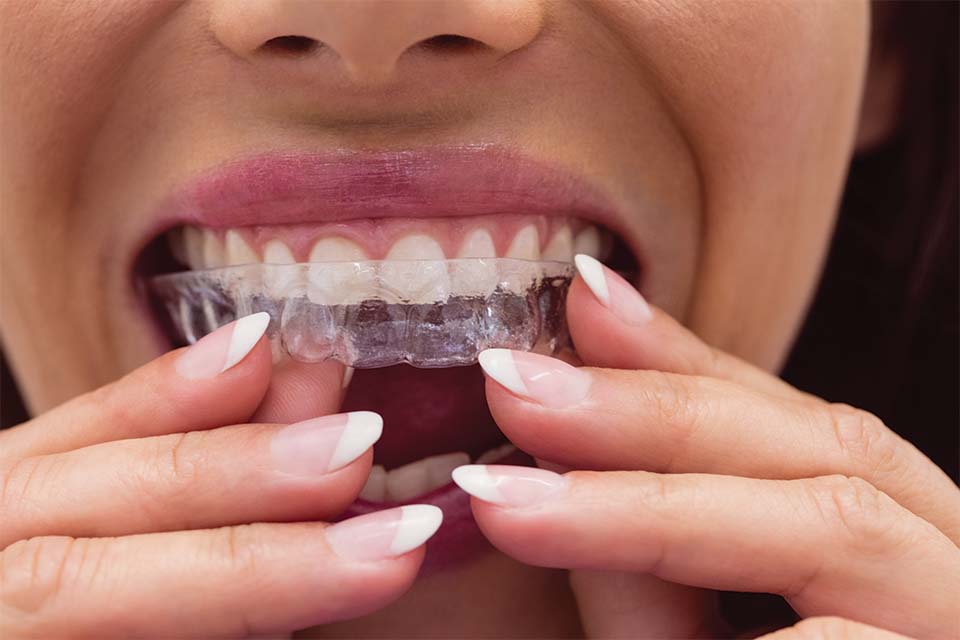
Bite splints are often the first step in TMJ treatment because they help prevent further damage while stabilizing the condition.
When custom-made by your dentist, these devices create a protective barrier between the upper and lower teeth, reducing the impact of grinding and clenching. By limiting direct pressure on the jaw joint, splints help reduce strain and allow the surrounding muscles to relax.
They are especially important for patients who grind their teeth at night without realizing it. Nighttime grinding can be particularly damaging because it occurs for extended periods without interruption, placing continuous stress on the teeth and jaw.
Over time, consistent use of a bite splint can help reduce enamel wear, decrease sensitivity, and prevent structural damage. While splints do not eliminate the underlying cause of TMJ, they play a critical role in slowing progression and protecting against further complications.
One patient who suffered from significant teeth grinding found that a custom-made bite splint reduced headaches within a few weeks of trying it. The patient noticed reduced muscle tension in the jaw and neck, and fewer and less intense morning headaches.
Botox for TMJ: Reducing Muscle Tension
While bite splints help protect the teeth, they do not fully address the muscle activity responsible for clenching and grinding.
Botox for TMJ works by targeting the masseter muscle, which is one of the primary muscles involved in jaw movement. By reducing the muscle’s ability to contract with excessive force, Botox helps relieve tension, decrease pain, and reduce the intensity of grinding.
Many patients notice improvements in jaw tightness, headaches, and facial fatigue within a short period after treatment. This can significantly improve daily comfort and reduce the frequency of symptoms.
Botox is particularly beneficial for patients whose TMJ symptoms are driven by muscle overactivity rather than structural issues alone. By calming the muscle response, it allows the jaw to function more naturally and reduces the cycle of tension and discomfort.
When used alongside bite splints, Botox can enhance the overall effectiveness of treatment by addressing both protection and muscle control.
Restorative Dentistry: Repairing Damage from Grinding
In cases where TMJ issues have progressed over time, damage to the teeth is often already present.
Chronic grinding can wear down enamel, flatten tooth surfaces, cause fractures, and alter the way the teeth fit together. These changes can further disrupt jaw alignment and contribute to ongoing discomfort.
Restorative dentistry addresses this damage directly.
Treatments such as crowns help rebuild the structure of worn or compromised teeth, restore proper bite alignment, and protect against further deterioration. By restoring the teeth to their proper shape and function, these treatments also support better jaw positioning and overall stability.
This step is especially important for patients whose TMJ symptoms are no longer limited to discomfort but have progressed into structural dental issues.
Without restorative treatment, even if grinding is reduced, the existing damage can continue to affect function and comfort.
How These Treatments Work Together
The most effective TMJ treatment plans combine multiple approaches rather than relying on a single solution.
Each treatment plays a specific role:
- Bite splints protect the teeth and reduce ongoing damage
- Botox reduces muscle tension and relieves pain
- Restorative dentistry repairs the damage already done
When used together, these treatments create a more complete and effective solution.
In more advanced cases, long-term grinding can require a combination of bite splints, Botox therapy, and restorative treatments such as crowns to fully address both the cause and the damage.
This combined approach allows treatment to move beyond short-term symptom relief. Instead, it focuses on stabilizing the condition, improving function, and preventing the issue from returning or worsening over time.
Patients who follow a comprehensive treatment plan often experience more consistent results because each part of the problem is being addressed simultaneously.
Choosing the Right TMJ Treatment Plan
Every patient experiences TMJ differently, which is why treatment plans must be personalized.
Some individuals may need only preventive care, while others require a combination of therapies to restore function and relieve discomfort. The right approach depends on several factors, including the severity of symptoms, the presence of tooth damage, and the underlying causes of the condition.
A thorough evaluation helps determine which combination of treatments will provide the most effective and lasting results. This process ensures that care is tailored to the individual rather than based on a one-size-fits-all solution.
When to Consider TMJ Treatment
TMJ treatment in Ann Arbor should be considered when symptoms become persistent or begin affecting daily life.
This may include:
- ongoing jaw pain
- frequent headaches
- difficulty chewing
- visible tooth wear
As symptoms progress, they often become more difficult to manage without professional intervention.
Many patients in Ann Arbor and surrounding areas such as Saline, Ypsilanti, and Dexter seek treatment once symptoms move beyond mild discomfort and begin impacting their ability to eat, speak, or function comfortably.
TMJ disorders rarely resolve on their own. What begins as grinding or tension can develop into long-term pain and structural damage if left untreated.
A comprehensive treatment approach that includes bite splints, Botox, and restorative care can address both the cause and the effects of TMJ issues, leading to more stable and lasting results.
Seeking professional evaluation early can help prevent more complex problems and restore long-term comfort.
Enspire Dental
Stay in Touch!
Latest Articles
The Enspire Standard: Why Elite Sports Protection Requires a Custom Athletic Mouthguard
When it comes to competitive sports in Washtenaw County, athletes and parents invest heavily in top-tier performance equipment. From high-end footwear...
Performance, Comfort, and Material Mastery: The Structural Physics of Custom Athletic Mouthguards
To the untrained eye, all athletic mouthguards look relatively similar, a simple curved piece of plastic designed to cover the upper teeth. However...
Elevating Community Safety: Enspire Dental’s Complimentary Athletic Mouthguard Clinics for Ann Arbor Teams
A truly exceptional dental practice does not limit its expertise to the walls of the clinic. At Enspire Dental, our dedication to providing world-class care...
TMJ Treatment Options: How Bite Splints, Botox, and Restorative Dentistry Work Together
TMJ disorders are rarely caused by a single issue, which is why treatment is not one-size-fits-all. Most patients experience a combination of teeth grinding...